ACEEE | American Council for an Energy-Efficient Economy
Jun 30, 2015
Energy Efficiency in the United States: 35 Years and Counting
In 1980, energy efficiency researchers formed the American Council for an Energy-Efficient Economy (ACEEE). As we turn 35 years old this year, we thought it would be useful to look at energy effici…
Energy Efficiency in the United States: 35 Years and Counting
Complete the form to access this resource.
In 1980, energy efficiency researchers formed the American Council for an Energy-Efficient Economy (ACEEE). As we turn 35 years old this year, we thought it would be useful to look at energy efficiency progress over the past 35 years and to also look at possible and recommended pathways for the next 35 years (i.e., through 2050). We find that the energy intensity of the US economy has steadily improved since 1980, with the majority of this improvement due to energy efficiency. Each of the major sectors has shown gains. Many factors have driven these efficiency improvements, including market forces, policy impacts and the interplay between the two. On the other hand, energy prices have not been a major driver, since energy prices today are either similar to or less than 1980 prices after the effect of inflation is removed.
While much progress has been made, there are large and cost-effective energy efficiency opportunities that collectively can reduce 2050 energy use by 40-60% relative to current forecasts. Specific opportunities are discussed. In order to realize these energy-saving opportunities we need to harness and transform markets, make efficiency a key strategy for the utility of the future and expand federal, state, and local policy efforts.
Energy Efficiency Programs for Large Savings in the Next Decade
Expanded utility-funded energy efficiency programs can significantly slow rising electricity demand and reduce electricity bills; this report explains how.
Bridging the Equity Gap for Utility Energy Efficiency Programs
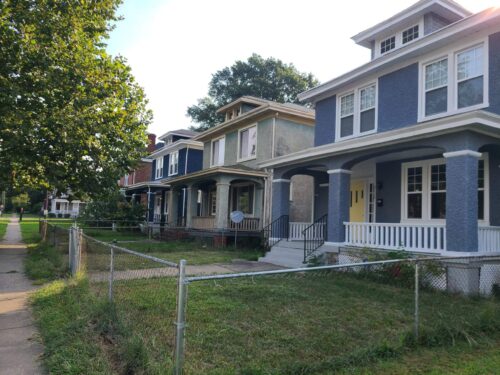
Utility energy efficiency programs have increased investment in low-income households, but significant gaps remain. This report examines spending and savings trends across 48 major U.S. utilities, identifies barriers to expanding low-income programs and highlights policies and program strategies that can improve energy affordability and equitable access to efficiency upgrades.
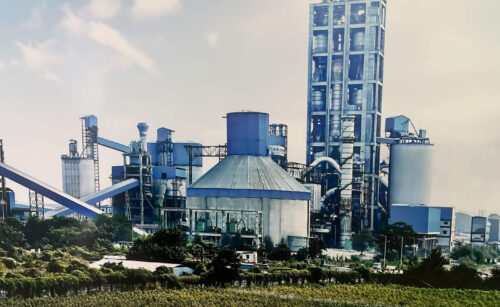
This report identifies pathways for India’s cement industry to decarbonise at a pace compatible with the national climate goal of net-zero emissions by 2070.
Efficiency Saves: Cutting Energy Waste Can Save $31,000 per Household
The United States faces interlocking energy challenges: rising home energy bills and gasoline prices; new demand for electricity from data centers and other loads; high greenhouse gas emissions from burning fossil fuels.
Now, a new era of energy efficiency progress in our buildings, transportation, and industry is needed to meet this moment. This wide-ranging study finds a massive opportunity.
Support the Work That Makes Energy Go Further
ACEEE’s independent research and advocacy depend on the support of foundations, businesses, and individuals committed to cutting energy bills, waste, and climate pollution.