ACEEE | American Council for an Energy-Efficient Economy
Jun 1, 2007
The State Energy Efficiency Scorecard for 2006
Expanding its traditional ranking of states on utility program spending, ACEEE issued a new and more comprehensive scorecard that rates state accomplishment on multiple efficiency policy and progra…
Expanding its traditional ranking of states on utility program spending, ACEEE issued a new and more comprehensive scorecard that rates state accomplishment on multiple efficiency policy and program initiatives. These include utility program spending, Energy Efficiency Resource Standards (EERS), appliance efficiency standards, building codes, combined heat and power, mass transit spending, state facility and fleet management, and vehicle fuel economy. The top 10 ten states in the Scorecard are Vermont, California, Connecticut, Massachusetts, Oregon, Washington, New York, New Jersey, Rhode Island, and Minnesota.
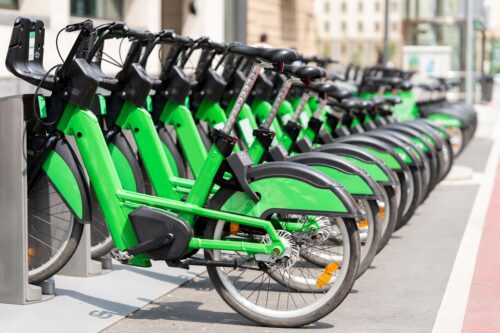
Explore practical strategies, best practices and case studies for planning and implementing clean transportation projects, including electric vehicles, e-bike programs and charging infrastructure, with a focus on improving mobility, reducing costs and expanding transportation access in underserved communities.
Bridging the Equity Gap for Utility Energy Efficiency Programs
Utility energy efficiency programs have increased investment in low-income households, but significant gaps remain. This report examines spending and savings trends across 48 major U.S. utilities, identifies barriers to expanding low-income programs and highlights policies and program strategies that can improve energy affordability and equitable access to efficiency upgrades.
Efficiency Saves: Cutting Energy Waste Can Save $31,000 per Household
The United States faces interlocking energy challenges: rising home energy bills and gasoline prices; new demand for electricity from data centers and other loads; high greenhouse gas emissions from burning fossil fuels.
Now, a new era of energy efficiency progress in our buildings, transportation, and industry is needed to meet this moment. This wide-ranging study finds a massive opportunity.
Support the Work That Makes Energy Go Further
ACEEE’s independent research and advocacy depend on the support of foundations, businesses, and individuals committed to cutting energy bills, waste, and climate pollution.