ACEEE | American Council for an Energy-Efficient Economy
Feb 17, 2016
Energy Efficiency Finance: A Market Reassessment
This paper describes the current state of energy efficiency financing, highlighting what is and isn’t working, while offering a look at the future of the industry. The US energy efficiency fi…
This paper describes the current state of energy efficiency financing, highlighting what is and isn’t working, while offering a look at the future of the industry. The US energy efficiency finance market represents more than $100 billion in annual investment, with particular strength in segments like green buildings and cars, ENERGY STAR®–certified IT equipment, and energy service companies (ESCOs). On the other hand, low- and moderate-income households, multifamily housing, many state and local governments, and the small commercial market remain underserved and credit challenged. Green bonds, better technology, new financing methods, and more sophisticated evaluation are keys to future growth.
Energy Efficiency Programs for Large Savings in the Next Decade
Expanded utility-funded energy efficiency programs can significantly slow rising electricity demand and reduce electricity bills; this report explains how.
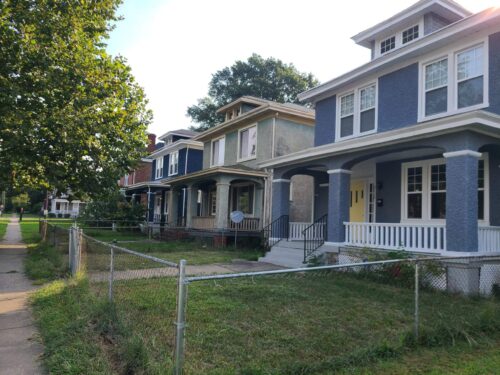
Bridging the Equity Gap for Utility Energy Efficiency Programs
Utility energy efficiency programs have increased investment in low-income households, but significant gaps remain. This report examines spending and savings trends across 48 major U.S. utilities, identifies barriers to expanding low-income programs and highlights policies and program strategies that can improve energy affordability and equitable access to efficiency upgrades.
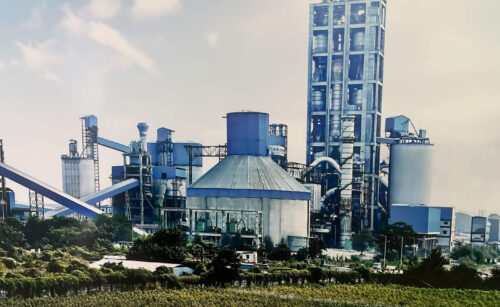
This report identifies pathways for India’s cement industry to decarbonise at a pace compatible with the national climate goal of net-zero emissions by 2070.
Efficiency Saves: Cutting Energy Waste Can Save $31,000 per Household
The United States faces interlocking energy challenges: rising home energy bills and gasoline prices; new demand for electricity from data centers and other loads; high greenhouse gas emissions from burning fossil fuels.
Now, a new era of energy efficiency progress in our buildings, transportation, and industry is needed to meet this moment. This wide-ranging study finds a massive opportunity.
Support the Work That Makes Energy Go Further
ACEEE’s independent research and advocacy depend on the support of foundations, businesses, and individuals committed to cutting energy bills, waste, and climate pollution.