ACEEE | American Council for an Energy-Efficient Economy
Jul 1, 2002
Vendors as Industrial Energy Service Providers
Over the past twenty years, we have seen a transformation in U.S. energy markets, in part brought about by the energy crises of the 1970s and in part by a deregulation of energy markets begun in th…
Over the past twenty years, we have seen a transformation in U.S. energy markets, in part brought about by the energy crises of the 1970s and in part by a deregulation of energy markets begun in the late 1980s. With increasing energy prices, a new industry also emerged—energy services companies (ESCOs), with the business model of managing customers’ energy use by utilizing specialized skills at a lower cost than the customers could achieve. This business model was predicated upon the assumptions that significant energy efficiency opportunities existed and that through the application of new technologies and expertise these energy savings could be realized. The savings would then be shared between the customers and the ESCOs (Elliott, Pye, and Nadel 1996).
During this same period, another business trend emerged—“outsourcing” non-core activities to allow industrial companies to focus on their main area of competence. These two trends appeared to set the stage for the emergence of ESCOs, with a promising target market of large, industrial energy-users. Unfortunately, the market has not evolved as many would have hoped.
This white paper discusses the reasons for the failure of ESCOs in the industrial market, and also describes an alternate business model that has emerged in the marketplace. These developments could affect what the methods are chosen to influence the industrial energy marketplace.
Energy Efficiency Programs for Large Savings in the Next Decade
Expanded utility-funded energy efficiency programs can significantly slow rising electricity demand and reduce electricity bills; this report explains how.
Bridging the Equity Gap for Utility Energy Efficiency Programs
Utility energy efficiency programs have increased investment in low-income households, but significant gaps remain. This report examines spending and savings trends across 48 major U.S. utilities, identifies barriers to expanding low-income programs and highlights policies and program strategies that can improve energy affordability and equitable access to efficiency upgrades.
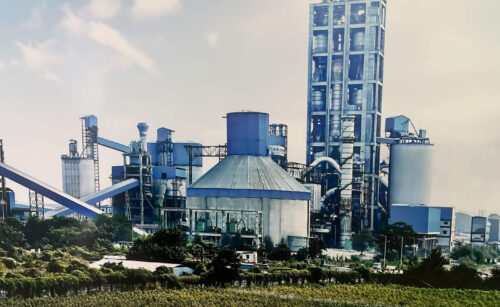
This report identifies pathways for India’s cement industry to decarbonise at a pace compatible with the national climate goal of net-zero emissions by 2070.
Efficiency Saves: Cutting Energy Waste Can Save $31,000 per Household
The United States faces interlocking energy challenges: rising home energy bills and gasoline prices; new demand for electricity from data centers and other loads; high greenhouse gas emissions from burning fossil fuels.
Now, a new era of energy efficiency progress in our buildings, transportation, and industry is needed to meet this moment. This wide-ranging study finds a massive opportunity.
Support the Work That Makes Energy Go Further
ACEEE’s independent research and advocacy depend on the support of foundations, businesses, and individuals committed to cutting energy bills, waste, and climate pollution.