ACEEE | American Council for an Energy-Efficient Economy
Mar 27, 2013
Engaging as Partners: Introducing Utilities to the Energy Efficiency Needs of Multifamily Buildings and Their Owners
CNT Energy and the American Council for an Energy-Efficient Economy (ACEEE) examine the factors that contribute to effective energy efficiency program design for multifamily buildings. The re…
Engaging as Partners: Introducing Utilities to the Energy Efficiency Needs of Multifamily Buildings and Their Owners
Complete the form to access this resource.
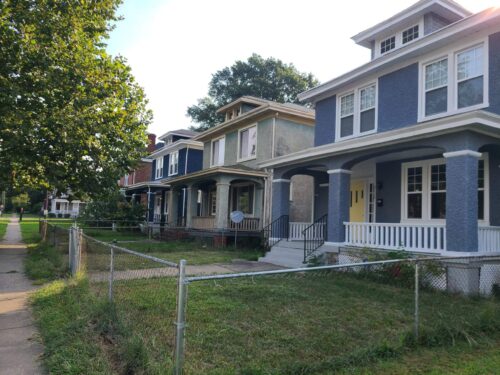
CNT Energy and the American Council for an Energy-Efficient Economy (ACEEE) examine the factors that contribute to effective energy efficiency program design for multifamily buildings. The report provides an introduction for utilities and other energy efficiency program administrators to the multifamily housing sector, the market for energy efficiency within it, and the interests and concerns of sector stakeholders as related to energy efficiency. It outlines nine strategies that can help utilities design and implement energy efficiency programs that will attract multifamily building owners and achieve deep energy savings. It also provides examples of successful programs funded by utility-customers that demonstrate how effective energy efficiency program design benefits building owners, tenants, and utilities. Long-term benefits to multifamily building owners include direct savings on utility bills, reduced maintenance costs, and decreased tenant turnover.
Energy Efficiency Programs for Large Savings in the Next Decade
Expanded utility-funded energy efficiency programs can significantly slow rising electricity demand and reduce electricity bills; this report explains how.
Bridging the Equity Gap for Utility Energy Efficiency Programs
Utility energy efficiency programs have increased investment in low-income households, but significant gaps remain. This report examines spending and savings trends across 48 major U.S. utilities, identifies barriers to expanding low-income programs and highlights policies and program strategies that can improve energy affordability and equitable access to efficiency upgrades.
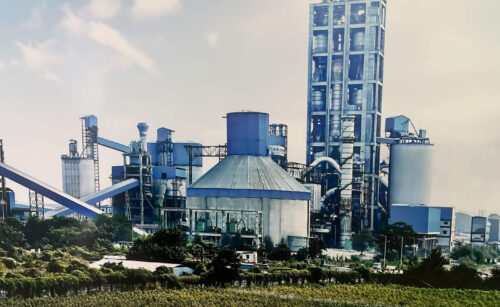
This report identifies pathways for India’s cement industry to decarbonise at a pace compatible with the national climate goal of net-zero emissions by 2070.
Support the Work That Makes Energy Go Further
ACEEE’s independent research and advocacy depend on the support of foundations, businesses, and individuals committed to cutting energy bills, waste, and climate pollution.