Local policies related to energy efficiency — implemented at the scale of a municipality, county or metropolitan region — can improve community self-reliance, save consumers and citizens money, create local “main street” jobs, catalyze local economic investment, and protect the environment. ACEEE works to help local governments increase energy efficiency in their communities.

“City Scorecard is a monumental effort; such a comprehensive report is rare—and I consider it a model. If the City of Phoenix were to produce a report on “Top Reports in the Industry” this ACEEE report would be at the top.”
—Mark Hartman, Chief Sustainability Officer, City of Phoenix
"ACEEE’s technical assistance was invaluable. The ACEEE team accelerated our efforts to decarbonize Missoula’s building stock and provided much needed clarity in a confusing policy landscape. As a small team trying to tackle big issues in Missoula, we were so grateful for the assistance and the credibility ACEEE’s name lent to our work."
—Caroline Lauer, Climate Smart Missoula
Local Policy Database
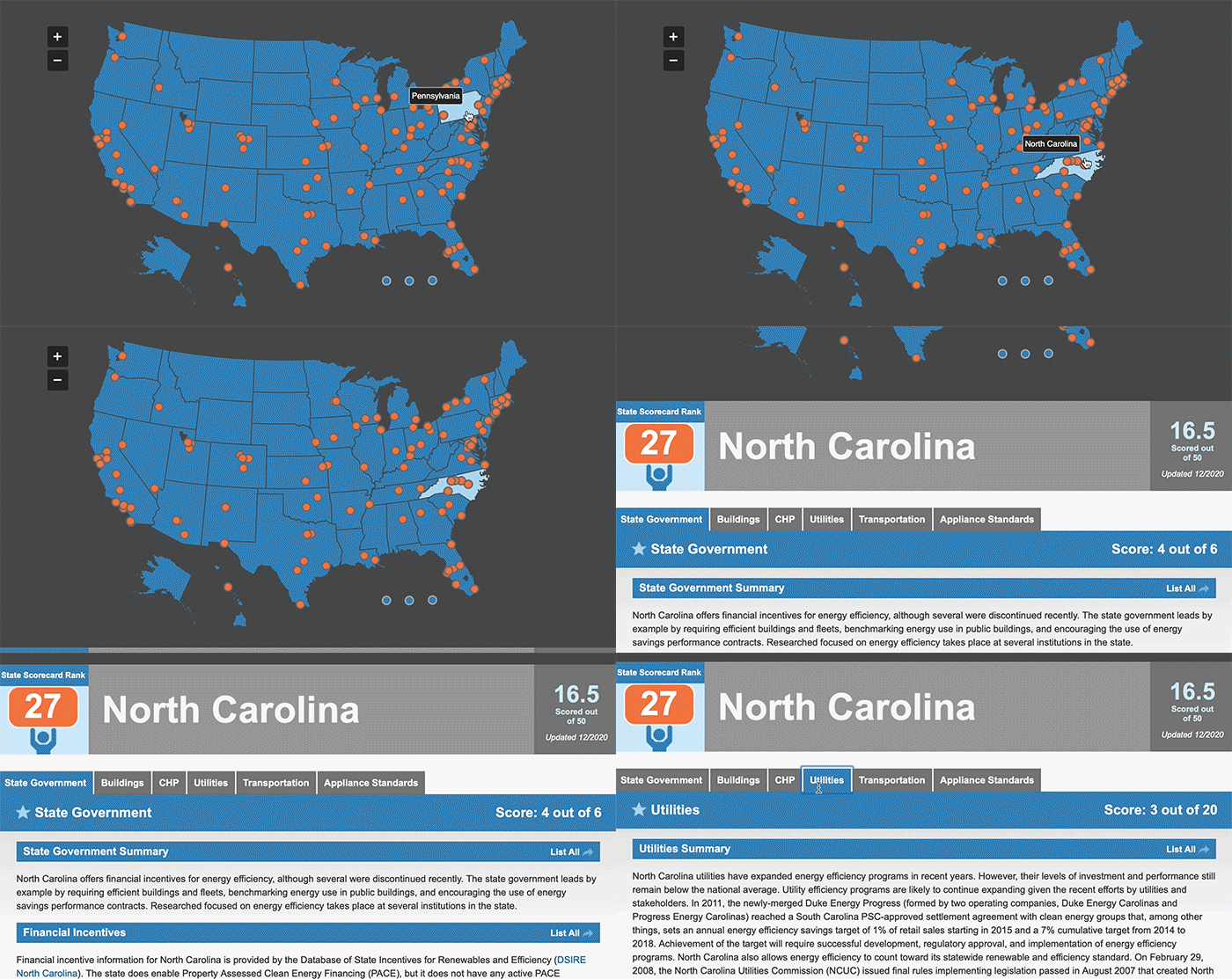
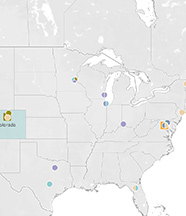
Check out our database website  for an interactive map, state and local rankings, and all of the data used to score cities and states on clean energy policies and programs in our Scorecards.